

Author:yilida Time:2026-10-10 12:19:12 Number of views:73Second-rate
The hazard in a fabrication shop is often invisible. Welding fume and fine metal dust hang in the air long after the arc goes cold, and the smallest fractions—sub-micron manganese and hexaval/chromium particles—are the most dangerous to lungs. For any fabrication, laser-cutting, or grinding operation, welding fume and metal dust collection is not a comfort upgrade; it is a baseline requirement for worker safety and equipment life.

This guide explains the two capture strategies, how to select a collector, and how to build a system that actually keeps the air clean.
Welding fume is a complex aerosol of metal oxides, silicates, and gases generated when the electrode, base metal, and coatings vaporize and condense. The fraction below 1 µm stays suspended for hours and penetrates deep into the lungs. Different processes and metals produce different risks: stainless steel welding can release hexavalent chromium; manganese is a neurotoxic concern. Control starts at the source.
Capturing contaminant at the point of generation is consistently more effective and more economical than diluting it with general ventilation after it has already spread.Industrial hygiene principle for local exhaust ventilation
| Strategy | How it works | Best for |
|---|---|---|
| Source capture (arm, hood, downdraft) | Extracts at the weld point | Fixed stations, repeatable work |
| Mobile extractor | Movable arm on wheels | Changing work positions |
| Ambient / recirculating | Cleans room air overhead | Supplement or low-level diffuse fume |
Best practice pairs source capture (primary) with ambient units (secondary clean-up) so no fume escapes between tasks.
For welding and grinding, a cartridge dust collector with nanofiber media is the standard choice: it captures fine fume in a compact footprint placed close to the source. Key selection points:
Media: nanofiber or spunbond cartridge for high sub-micron efficiency.
Airflow per arm: typically 800–1,500 m³/h per capture point, matched to hood type.
Spark protection: pre-filters or spark traps before the cartridges for arc and grinding sparks.
Air-to-cloth ratio: conservative settings extend cartridge life.
Compliance: verify outlet concentration against local occupational and emission limits.
Nanofiber surface layers improve the release of fine fume during pulse cleaning, which is why they outperform standard media in welding applications where the dust is both fine and sticky.Cartridge media performance in fume collection
Map capture points and duty cycle—how many stations run at once.
Size total airflow from the number and type of hoods/arms.
Place the collector to minimize duct run and pressure loss.
Add spark traps and pre-filters for grinding or plasma cutting.
Include explosion protection if the metal dust is combustible (most are).
Plan cartridge access for fast, clean change-out.
Grinding and cutting — coarse-to-fine metal dust needing pre-separation.
Laser and plasma cutting — high fume loads with sparks; need robust pre-filtration.
Polishing and deburring — fine, often combustible dust.
In most jurisdictions, occupational exposure limits for welding fume require effective control; engineering controls like local exhaust are the accepted method, and many now treat welding fume as a suspected carcinogen requiring strict management.
Cartridge collectors are preferred for welding and grinding because they capture fine fume efficiently in a compact, source-adjacent unit.
Metal dusts are generally combustible; if the dust is dry and airborne in a confined system, explosion isolation, venting, and grounding should be evaluated per standard dust-safety practice.
Typically 6–18 months depending on duty, media, and cleaning setpoints; visible pressure-drop rise is the practical trigger.
Dilution ventilation alone rarely meets exposure limits for welding fume; source capture is far more effective and is the recommended approach.
Particulate collectors remove the solid fume; gases and odors may need activated carbon or a catalytic stage added to the system.
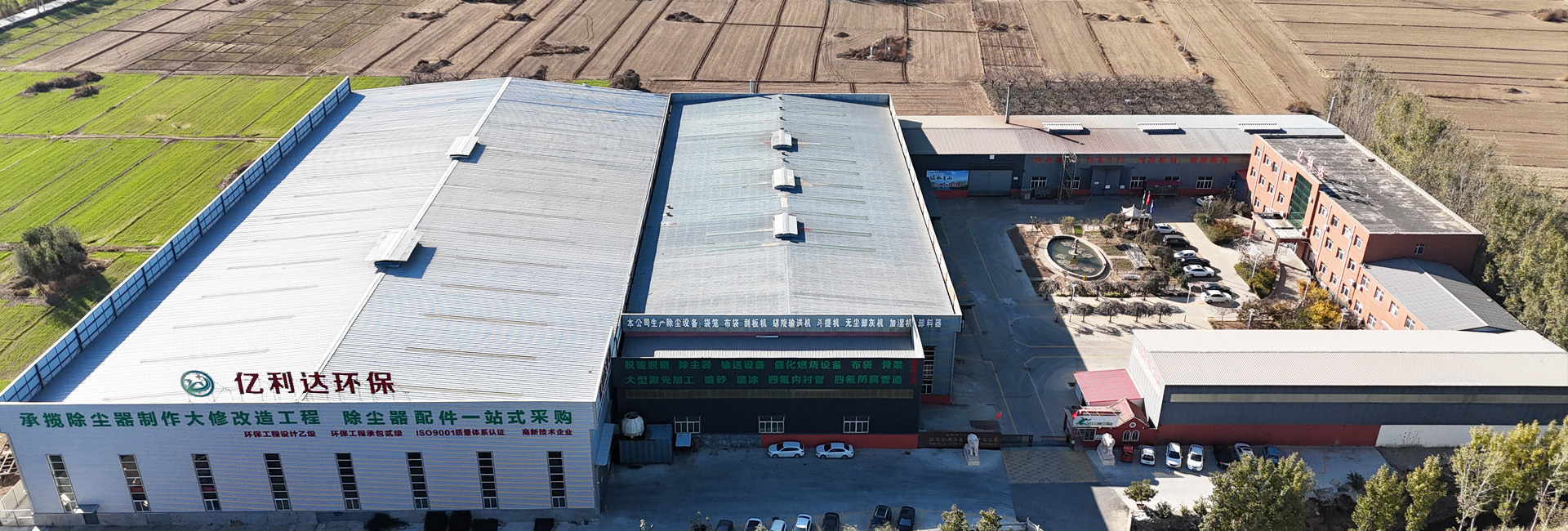
Welding fume and metal dust collection is a safety system first and a compliance system second—both matter. Source capture with nanofiber cartridge collectors, backed by ambient units and proper spark and explosion protection, keeps the air clean and the shop productive. Botou Yilida Environmental Protection Machinery Equipment Co., Ltd. builds cartridge dust collectors, source-capture arms, and integrated fume extraction packages for welding, grinding, laser, and plasma operations. To design a collection system for your stations and duty cycle, contact the Yilida team at www.yilida-dustcollectors.com.

Copyright © 2025-2026 Botou Yilida Environmental Protection Machinery and Equipment Co., Ltd All Rights Reserved