

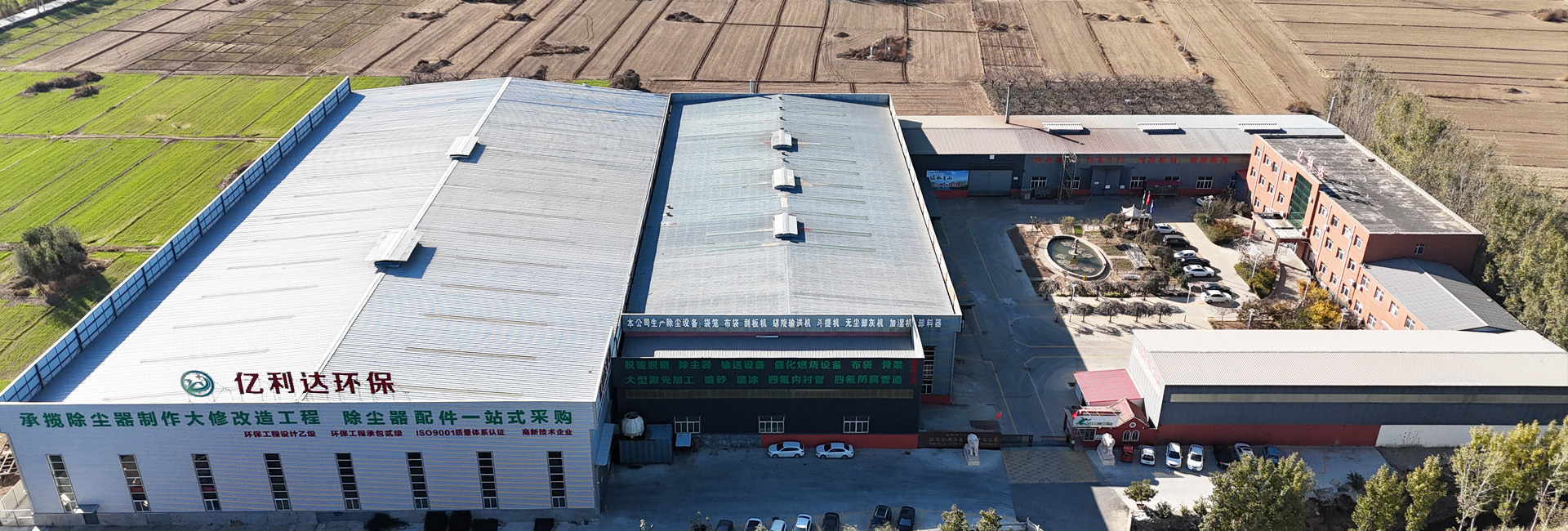
Environmental Protection Equipment Selection Guide for Industries
Industrial facilities face mounting pressure to control emissions, protect worker health, and comply with environmental regulations. Selecting appropriate environmental protection equipment requires understanding your process characteristics, pollutant types, regulatory requirements, and operational constraints. This guide walks you through key selection criteria for common air pollution control technologies.
 v
v
Understanding Your Process and Pollutants
Effective equipment selection begins with comprehensive characterization of your process stream. Identify pollutant types (particulate matter, VOCs, gases), concentration ranges, temperature and humidity profiles, flow rates, and any problematic constituents like moisture, corrosives, or explosive mixtures.
Professional environmental equipment engineers conduct detailed process evaluations, sometimes including stack testing or pilot studies to quantify pollutant characteristics. This empirical data forms the foundation for selecting appropriately sized and configured control equipment.
Matching Technology to Application
Different pollutants and concentration ranges demand different control technologies. Particulate matter responds well to fabric filters (baghouses), cyclones, or wet scrubbers depending on particle size, concentration, and conditions. VOC emissions may require catalytic oxidation, thermal oxidation, or adsorption systems depending on concentration, flow rate, and recovery considerations.
Leading pollution control equipment suppliers maintain extensive application databases and can recommend appropriate technologies based on your specific pollutant profile. They understand the strengths and limitations of each technology and can guide you toward solutions that deliver reliable performance at reasonable cost.
Evaluating Equipment Suppliers and Manufacturers
Equipment quality, supplier capabilities, and long-term support profoundly affect project success. Evaluate potential suppliers based on their manufacturing capabilities, quality certifications (ISO 9001, CE marking), past project experience, and technical support infrastructure.
Reputable environmental protection equipment manufacturers provide detailed proposals with performance guarantees, comprehensive technical documentation, and verifiable customer references. They encourage factory visits, provide equipment demonstrations, and maintain transparent business practices throughout the evaluation process.
Considering Installation and Integration Requirements
Environmental equipment rarely operates in isolation—it must integrate with existing process equipment, ductwork, electrical systems, and control networks. Consider space requirements, foundation needs, utility connections, and control system integration during equipment evaluation.
Experienced emissions control system suppliers provide comprehensive engineering services covering site evaluation, system design, installation supervision, and startup assistance. This integrated approach prevents costly field modifications and ensures all components work together effectively.
Evaluating Operating Costs and Energy Efficiency
Capital cost represents only part of total ownership cost. Evaluate energy consumption (fan power, heating requirements, compressed air), maintenance requirements (filter changes, catalyst replacement), and expected service life. Energy-efficient designs may cost more initially but deliver substantial savings over equipment life.
Quality-focused dust collection equipment suppliers provide detailed operating cost estimates, energy consumption calculations, and maintenance schedules to help you evaluate total cost of ownership. These comprehensive evaluations reveal the true economic impact of different equipment options.
Regulatory Compliance and Permitting Considerations
Environmental equipment must satisfy applicable regulations, which vary by jurisdiction, industry, and pollutant type. Understand applicable emission standards, monitoring requirements, reporting obligations, and permitting processes before selecting equipment.
Knowledgeable pollution control equipment manufacturers understand regulatory requirements across different markets and can provide equipment with appropriate certifications, monitoring ports, and documentation to support permitting and compliance activities. This regulatory expertise proves invaluable during project implementation.
Planning for Maintenance and Long-Term Support
Even the finest equipment requires maintenance. Evaluate accessibility for routine maintenance, availability of spare parts, and supplier capabilities for technical support. Equipment that's difficult to maintain or lacks readily available parts becomes a constant operational burden.
Established environmental equipment suppliers maintain spare parts inventories, provide maintenance service contracts, and offer technical support for troubleshooting and optimization. Establishing relationships with capable service providers before problems occur ensures prompt support when needed.
Making Informed Equipment Investment Decisions
Environmental protection equipment represents a significant investment with long-term implications for regulatory compliance, operating costs, and facility reputation. Take time to thoroughly evaluate options, visit existing installations, and speak with other operators about their experiences.
The right equipment selection, implemented with quality equipment from reputable suppliers and maintained properly, delivers decades of reliable performance while protecting worker health and the environment. By approaching equipment selection systematically and partnering with capable suppliers, you position your facility for long-term success in an increasingly environmental-conscious world.
References
Environmental Protection Agency (EPA) - New Source Performance Standards (NSPS)
Occupational Safety and Health Administration (OSHA) - Air Contaminants Standard
Air and Waste Management Association (A&WMA) - Air Pollution Control Technology Guides