

Activated Carbon Adsorption Box Efficient VOC Removal Solution
Author:yilida Time:2026-06-22 21:37:28 Number of views:129Second-rate
Volatile organic compounds represent a persistent threat across chemical processing, coating operations, furniture manufacturing, and printing industries. These airborne contaminants contribute to environmental degradation and pose documented health hazards when workers are exposed over extended periods. Activated carbon adsorption boxes have emerged as one of the most practical and cost-efficient technologies for stripping VOCs from exhaust airstreams before discharge. As a factory specializing in environmental protection equipment, we produce adsorption units engineered for high capture rates, long service intervals, and straightforward maintenance routines.

How Activated Carbon Adsorption Works
The principle behind carbon adsorption is straightforward yet remarkably effective. Activated carbon possesses an extraordinarily developed pore structure — surface areas ranging from 800 to 1500 square meters per gram provide countless attachment sites for organic molecules. When contaminated air passes through the carbon bed, VOC molecules adhere to pore walls through van der Waals forces rather than being chemically transformed. This physical adsorption mechanism means no secondary pollutants are generated during treatment. The process remains stable across varying humidity levels and temperatures typical of factory environments, though extremely high moisture can reduce efficiency by occupying pore space with water molecules.
Design Variations for Different Industrial Scenarios
Single-stage adsorption boxes suit moderate VOC concentrations where emission limits allow straightforward capture without recovery requirements. These units feature replaceable carbon cartridge modules that technicians swap out during scheduled maintenance windows. Two-stage configurations pair an initial pre-filter chamber with a deeper carbon bed, extending carbon life by removing particulates before they reach the adsorption media. Catalytic regeneration models incorporate heated chambers that desorb captured organics from saturated carbon, restoring adsorption capacity without cartridge replacement — a preferred option for facilities running continuous operations where shutdown for media changes is impractical. Each design serves distinct operational profiles, and selecting the right variant depends on pollutant concentration, airflow volume, and whether the facility requires solvent recovery.
Carbon Media Selection and Replacement Scheduling
Coal-based activated carbon delivers robust performance for most VOC applications due to its hardness and resistance to attrition during handling. Coconut shell carbon offers finer pore distribution suited to lighter organic molecules like formaldehyde and benzene derivatives. Impregnated carbon variants, treated with potassium hydroxide or phosphoric acid, target acid gases and specific compounds that standard media capture poorly. Replacement intervals vary from three to eighteen months depending on loading rates and the molecular weight of captured substances. Monitoring outlet concentrations with portable detectors provides the most reliable method for determining when carbon saturation approaches threshold levels.
Integration with Dust Collection Systems
In many factory setups, activated carbon adsorption boxes work downstream from dust collectors, receiving pre-cleaned air that extends carbon life by removing particulate contamination. Screw conveyors and star unloaders positioned at dust collector hoppers evacuate captured solids continuously, keeping upstream systems running efficiently. This staged approach — coarse particle removal first, then VOC adsorption — maximizes both equipment longevity and overall emission compliance performance.
We Welcome Global Distributors to Join Our Network
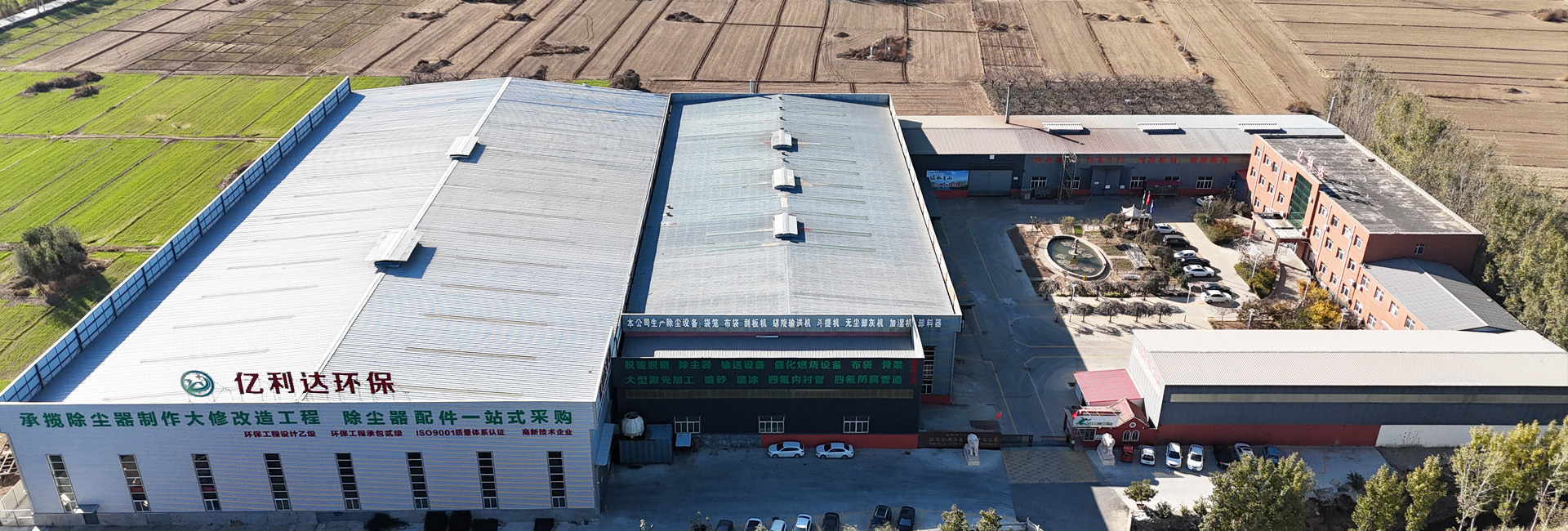
Our manufacturing facility produces activated carbon adsorption equipment ready for international deployment. We sincerely invite global distributors to join our expanding supply network, delivering proven VOC treatment solutions to clients across diverse markets. Technical consultation, custom specification support, and volume pricing make partnership advantageous for regional distributors seeking reliable manufacturing partners.
References
US EPA, Control Techniques Guidelines for Volatile Organic Compound Emissions from Stationary Sources, 2022
Carbon Adsorption for Air Purification, ASTM D28 Standard Guide for Activated Carbon Testing
World Health Organization, Guidelines for Indoor Air Quality — Selected Pollutants, 2010 Update